
RESOURCES
BLOG
Join in the community forum! The thINK blog is a place for community members to share their opinions, best practices, successes, and challenges. Add your comments to the blogs published here or write a blog and we’ll post it for you.

Challenges and Opportunities with Artificial Intelligence
With all of the buzz surrounding artificial intelligence (AI), many print service providers (PSPs) are wondering how to get an AI initiative started. A recent study by Alliance Research helps provide some answers. The study entitled AI Adoption in the Printing Industry: From Curiosity to Competitive Advantage provides insight on what printers in North America are thinking about AI. A 32-page summary is available as a free download on the Printing United / Alliance Research printing.org website. The study builds on e-mail questionnaires that were answered by over 200 PSPs. It also includes the results of interviews with PSPs who shared insight about their experiences with AI.
The Challenges
When asked about their top challenges, respondents to the Alliance Insights study most commonly cited a lack of in-house expertise or training, defining the best use cases, and difficulty integrating with existing systems. These issues and others on the list are natural enough given the newness of AI for so many PSPs.
Figure 1: Top Challenges in AI Implementation

Acknowledging that AI faced institutional barriers, interview participants identified common concerns that they had heard from employees and management. These included:
- Overcoming the fear of job loss
- Struggling to find a good starting point
- Challenges integrating into existing systems
- Overall skepticism, particularly after some early AI failures
One PSP suggested that attitudes might be shifted through small wins, like showing how minor time-savings improvements can make a big difference over the long run.
The Opportunities
Most of the respondents to this same survey admitted that they were relatively new to AI. On average, respondents had only been using AI for about a year and a half, and 23% stated that they had never used it at all. When asked about their top applications, respondents’ top standouts included generative AI, marketing personalization, and customer support. These results correspond with similar responses in Keypoint Intelligence’s most recent North American Software Investment Outlook study, particularly the high rankings for design and marketing applications.
Figure 2: Top AI Applications for Printers
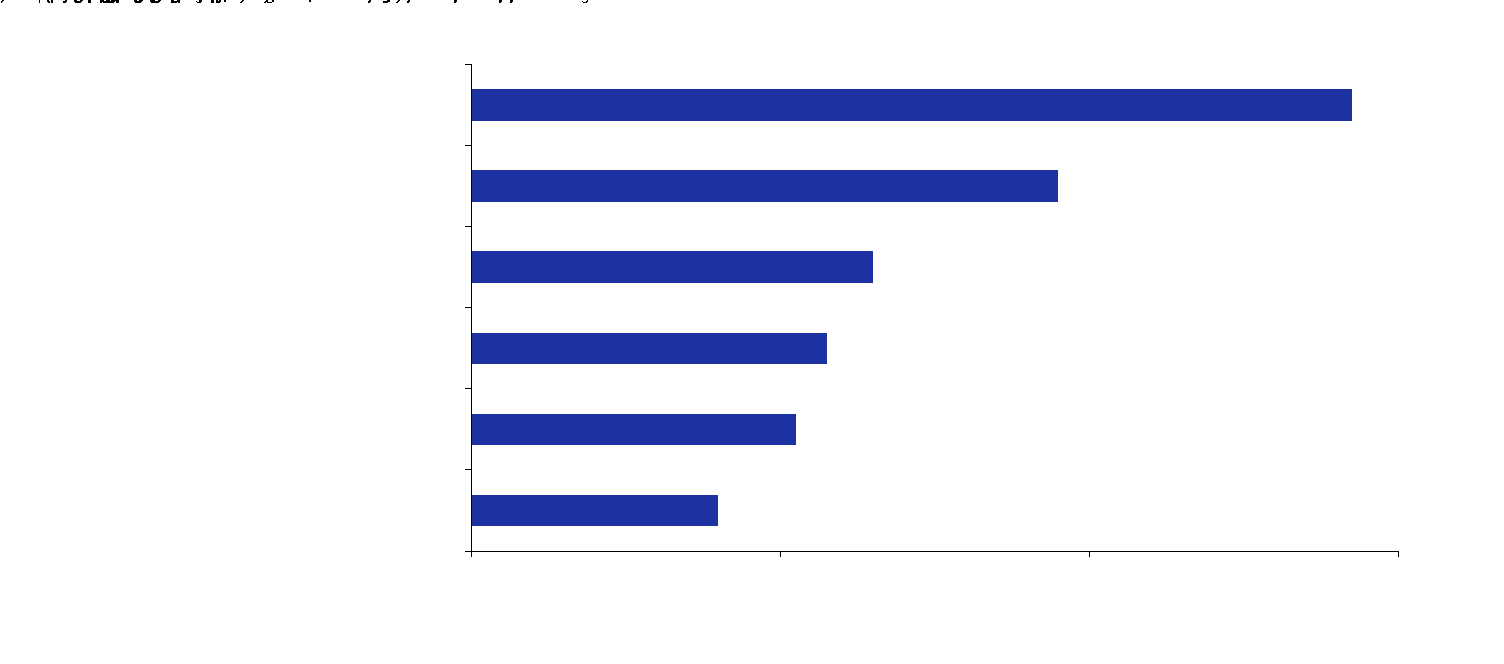
One of the most valuable aspects of the Alliance Insights report are the comments obtained from PSPs who are currently using AI to automate shipping estimates, reduce job set-up times, improve finance and operations tasks, enhance client communications, estimate jobs, and/or reduce administrative workloads.

Conclusion
While AI is relatively new, it’s clear that at least some aspects of AI have been around for a while. For example, you’ve probably heard the term robotic process automation (RPA) and its use for automating repetitive tasks. For example, an if/then equation might be “if it is this specific customer and this specific application at this particular run length range, then the job should be run on this press using this substrate, this finishing method, and shipped to this address.” In this sense, RPA can be seen as a precursor to AI.
Some of the horror stories around AI come back to inappropriate use cases, such as:
- Basing decisions on substandard data submitted to an AI system (garbage-in/garbage-out)
- Uploading private data to an AI tool and risking that the information becomes public
- Expecting AI to fix buggy computer code
It’s better to think of AI as a person you’re having conversation with—perhaps an inexperienced intern who is not familiar with your business. If you do this, you won’t forget that to be successful, you need to train AI and validate the results that it returns before you put such a system into action.
A final observation from early users is that AI must be taken seriously. Using free AI tools can be risky since you don’t know what sources it draws on or whether using it will present privacy risks for you or your clients. According to industry expert Pat McGrew, you should think twice about using an AI tool unless you’re willing to pay for it. That’s very good advice!
Author bio: Jim Hamilton of Green Harbor Publications (www.greenharbor.com) is an industry analyst, market researcher, writer, and public speaker. For many years he was Group Director in charge of InfoTrends’ Production Digital Printing & Publishing consulting services. He has a BA in German from Amherst College and a Master’s in Printing Technology from the Rochester Institute of Technology.